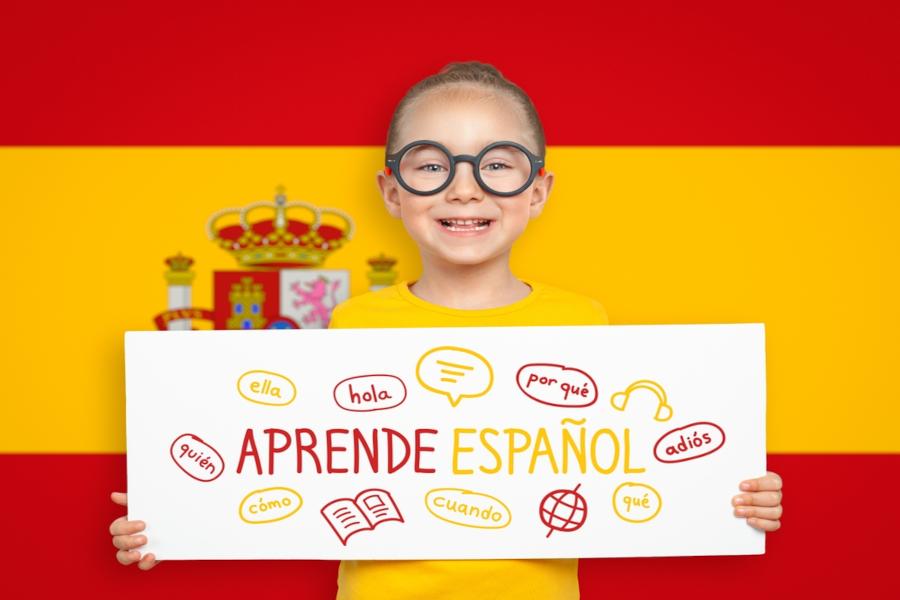
There is no doubt that learning languages
significantly develops children's minds with strong language learning skills
being directly linked to improved memory, creativity, and cognitive
development.
Francesca Pini, the founder and
creator of Language Angels, explores these benefits and the
brain boosting power of learning foreign languages from a young age.
What are
the Specific Benefits of Learning a Foreign Language from a Young Age?
There are
many and the rewards are huge!
- Cognitive
Development &
Memory
o
Learning
a second language enhances memory, attention, and problem-solving skills.
o
Children
learning to speak two languages (or more) often show greater cognitive
flexibility - they can switch between tasks more easily and think more
abstractly.
- Creativity
o
Multilingual
exposure fosters and promotes agile thinking, which is a key part of
creativity. This comes from constantly navigating different linguistic systems
and expressions.
- Mother Tongue Improvement
o
Learning
a second language helps children become more aware of grammar, vocabulary, and
structure - which can boost their understanding and use of their first
language.
o
It
promotes metalinguistic awareness - the ability to think about language as a
system, which is linked to literacy and overall language proficiency.
- Bonus!!
o
Studies
also show better academic performance overall, especially in literacy and even
maths, among bilingual or multilingual children.
How To
Ensure Our Younger Learners Have the Best Experience Learning a Foreign
Language.
Some
learners like myself will have had the good fortune of learning another
language from birth in a bilingual or trilingual home setting. Learning to
compare and transfer skills between languages through consistent exposure like
talking, singing and reading. Learning to read body language and ‘almost
picking up the language without a perceived conscious effort. Using visuals and
gestures to decode and acquire new language. Learning to differentiate and switch
between languages based on the conversation partner and if they are like me –
conversing in both at times in the same sentence! When this or an extended stay
in a country is not possible then learning a language in a class setting is the
best next option. This delivery model needs a very different structured
approach as opportunities to hear and speak the foreign language are limited.
There needs to be clear content and an understanding that teaching a foreign
language at primary phase is very different to secondary phase and also very
different to other curriculum areas.
How are
Language Angels Supporting Primary Schools With This Task?
Language Angels has a proven track record ensuring
pupils at primary phase have full opportunity to experience all advantages of
learning a foreign language. Working with over 6,000 primary schools and a 95%
renewal rate is a testament to the quality and effectiveness of the programme.
Having a fully planned, resourced and let’s not forget fully tested in- class
scheme with multiple learning pathways ensures that younger pupils have the
highest quality exposure – irrelevant of who is delivering the lessons. Staff
can introduce a foreign language very effectively and easily from EYFS and all
the benefits can start. The
brain is more flexible, and pupils have softer vocal chords. Acquiring new
vocabulary is easier to pronounce and remember! When a child has the ability to start
to switch between languages, neurons are stimulated and this increases their
ability to focus and learn more. Allowing a better learning journey across the
whole curriculum and not just in foreign languages.